Poland Fintech
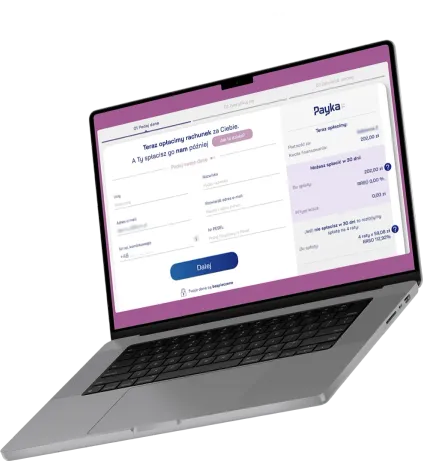
Building a BNPL service from the ground up
Frontend and backend delivery for a complete deferred payments platform integrating 19 suppliers.
Read more about Building a BNPL service from the ground upCase Study
Upgrading of the legacy solution with new functionalities and reducing the technical debt
Team size6
IndustryFintech
CountryPoland
Collaboration2019 – 2021
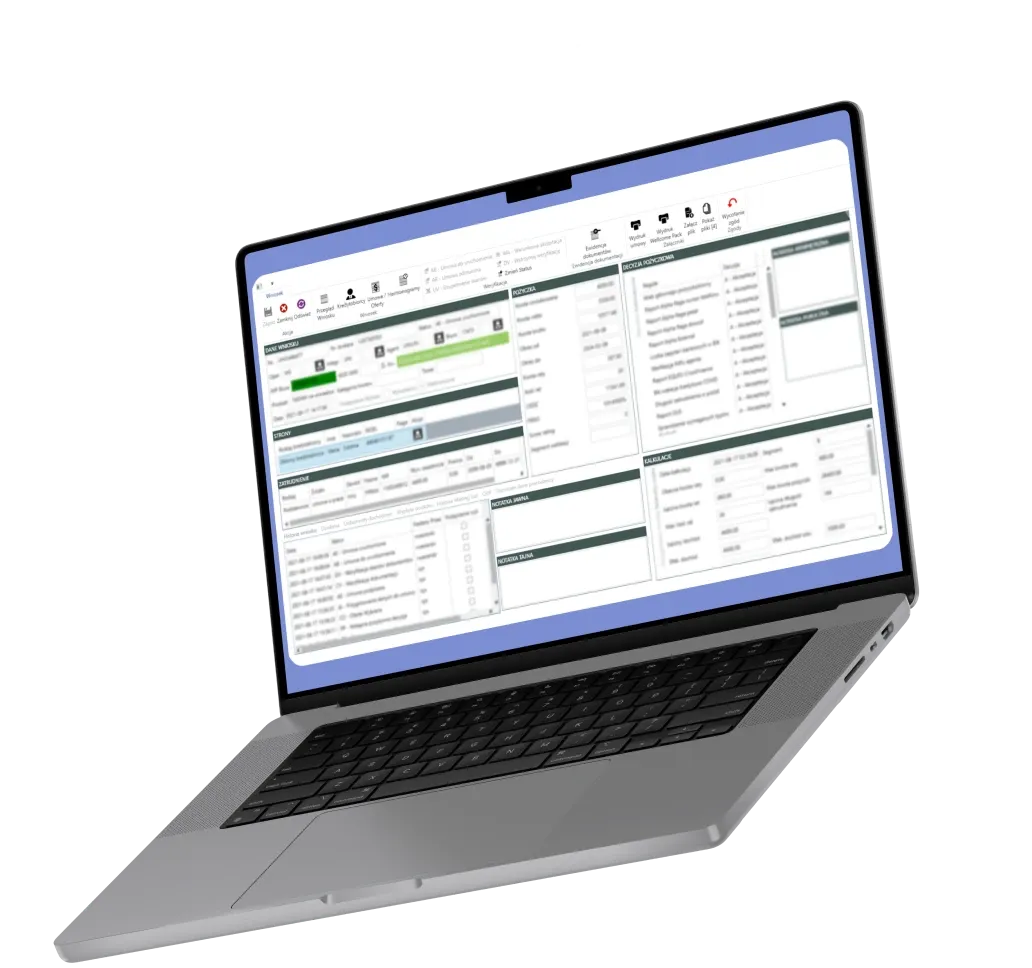
Our team entered the project running and got down to work on two platforms, one of them dealing with the processing of loan applications (scoring and risk assessment, blacklist checking), and the other used for handling existing loans (monitoring the repayment schedules, verifying bank payments).

We upgraded the legacy solution with new functionalities and reduced the technical debt in the process. We were working together with the Client for 2 years.
Disclaimer: All the information relating to the client is protected by an NDA agreement, therefore we have avoided using names that could identify them. For this case study, we’ll refer to them as ‘the Client.
The Client is one of Poland-based, fintech companies. It specializes in real-time payments that are accessible thanks to non-banking solutions.
Our people quickly took over the running and development of the two platforms. At the peak, six Speednet specialists were involved in the project.
Eliminating technical debt in the financial sector is not just an IT decision—it’s a strategic business move. The risks of delaying modernization (cyber threats, compliance issues, operational inefficiencies) far outweigh the challenges of upgrading. Financial institutions that successfully manage technical debt gain a competitive edge, reduce costs, and enhance customer trust.
Working with legacy code is a real challenge. With Speednet, we not only caught up with the technology, but also greatly developed our tools so that they effectively support the implementation of our business goals.
Our portfolio
Poland Fintech
Frontend and backend delivery for a complete deferred payments platform integrating 19 suppliers.
Read more about Building a BNPL service from the ground up
USA Fintech
Professional and efficient CMS platform with 9 language versions.
Read more about Professional and efficient CMS platformContact us
Whether you’re launching a new financial product, modernising existing technology or exploring AI, tell us what you’re working on. We’ll connect you with the right Speednet expert.